
- Welcome to APIKRI
- Call Us: (+62) 852 9226 5523
- Jum'at Kliwon, 30 Oktober 2026

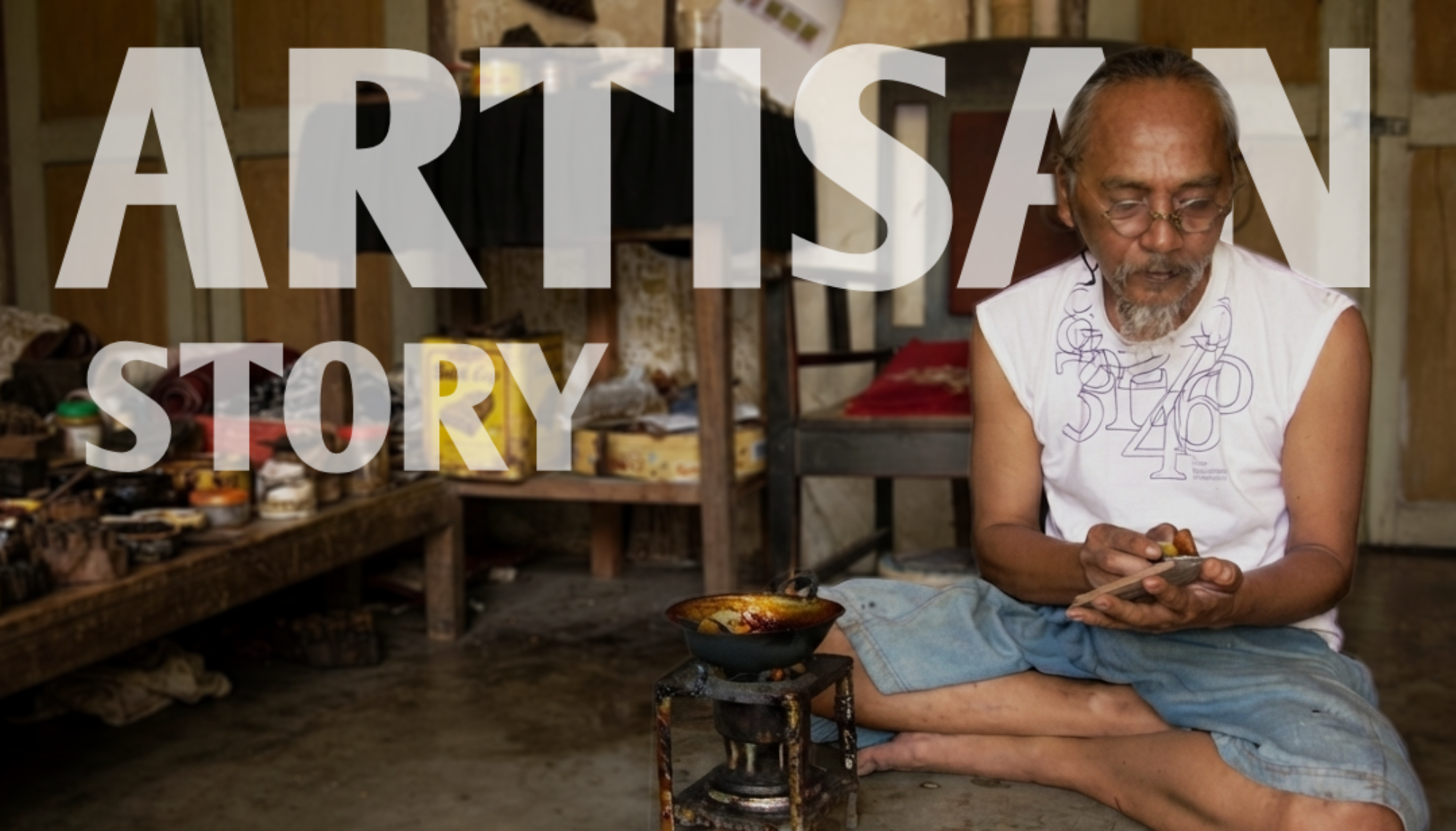
Painting has always been one of Jon’s hobbies, even though he has a background in technical education. To share his passion and turn it into a business, Jon decided to try painting on a different medium. He began learning batik techniques from his cousin, who was a skilled batik artisan. By combining his new skills with his love for painting, Jon eventually started his own handicraft business.
He poured his ideas and paintings onto cloth, which produces several batik cloths painting as its first product. He sold his first products through several art shops in Yogyakarta. By the 1990s, his batik handicraft grows rapidly, then the product brand is named Jon-R Batik developed not only paintings but also sculptures and wood crafts, depend on the market wants. Jon always stayed creative and innovative, designing new products to keep up with current trends. His artistic talent brought him great success, and his orders kept growing especially after he joined APIKRI in 1993.
When people started buying fewer batik paintings, Jon did not give up. Instead, he applied his batik painting techniques to other materials, like wood and ceramics. He created a variety of beautiful products, including vases, jars, frames, tableware, and various accessories.
Even when a devastating earthquake destroyed his home, workshop, and equipment, Jon refused to stop. Though his business paused for a moment, he quickly went back to work to fulfill orders from his buyers, which actually kept increasing.
Besides working with APIKRI, Jon partnered with other parties in Yogyakarta. He runs the business with the help of his wife and several contract workers. This contract system benefits everyone; the workers have the flexibility to work at their own pace. According to Jon, by not having full-time staff at his house, production is actually more efficient. The workers can handle more orders, and their pay is automatically adjusted based on what they make.
Jon is also active in various NGOs and often takes part in craft-related activities. He is frequently invited to mentor and help small artisans in different regions who need support in developing their products. He hopes that with good relationships among artisans and strong support from the government, the national handicraft industry will grow and successfully compete on a global level.